The Ultimate Guide to Energy Efficiency for Your Home and Business
In today's world, where energy resources are limited and the impact of climate change is evident, prioritizing energy efficiency has become more important than ever.
Whether you're a homeowner or a business owner, understanding and implementing energy-saving measures can not only reduce your energy bills but also contribute to a sustainable future. In this comprehensive guide,
we will explore various aspects of energy efficiency and provide practical tips to help you conserve energy in your daily life.
Let's embark on a journey toward a more energy-efficient and environmentally conscious lifestyle.

What is ISO 50001?
ISO 50001 is a globally recognized energy management standard that provides organizations with a framework to effectively manage their energy usage.
Energy Conservation Tips for Daily Life:
Conserving energy in our daily lives not only helps us save money but also reduces our environmental impact. Here are some practical tips to incorporate energy conservation into your routine:
1. Lighting: Switch to energy-efficient LED bulbs, turn off lights when not in use, and utilize natural light whenever possible.
2. Appliances: Choose energy-efficient appliances with high Energy Star ratings. Unplug electronics when not in use, as they can still consume energy in standby mode.
3. Heating and Cooling: Set your thermostat to an energy-saving temperature, use ceiling fans to enhance airflow, and insulate your home to prevent heat loss in winter and heat gain in summer.
4. Water Usage: Fix leaky faucets, take shorter showers, and use water-efficient fixtures and appliances to minimize water and energy waste.
5. Energy Audits: Consider conducting a professional home energy audit to identify areas of energy inefficiency and prioritize improvements.
Improving Energy Efficiency:
To improve energy efficiency in your home or business, consider the following strategies:
1. Energy-Efficient Appliances: Invest in energy-efficient appliances that use less energy while maintaining performance.
2. Lighting Upgrades: Replace traditional bulbs with energy-efficient LED lights, which consume significantly less electricity and have a longer lifespan.
3. HVAC Systems: Regularly maintain and service your heating, ventilation, and air conditioning (HVAC) systems to ensure they operate efficiently.
4. Insulation and Sealing: Insulate your walls, roof, and windows to minimize heat transfer and reduce the load on heating and cooling systems.
5. Renewable Energy: Explore renewable energy options like solar panels or wind turbines to generate clean, sustainable power for your home or business.
Energy Solutions and Services:
Various energy solutions and services are available to assist businesses and homeowners in their energy efficiency endeavors:
1. Renewable Energy: Consider installing renewable energy systems, such as solar panels, to generate clean energy on-site.
2. Energy Monitoring and Management Systems: Utilize advanced energy monitoring tools and software to track energy usage and identify areas for improvement.
3. Energy Consulting: Seek the expertise of energy consultants who can assess your energy needs, recommend solutions, and provide guidance on energy management practices.
4. Energy Efficiency Programs: Explore government or utility-sponsored energy efficiency programs that offer incentives or grants for implementing energy-saving measures.
Saving Energy at Home and Work:
To further save energy at home and work, follow these specific tips:
1. Power Strips: Use power strips with surge protectors to conveniently turn off multiple devices at once, eliminating standby power consumption.
2. Natural Lighting: Utilize natural light by opening curtains or blinds during the day, reducing the need for artificial lighting.
3. Energy-Efficient Windows: Install energy-efficient windows with low-emissivity coatings to reduce heat transfer and improve insulation.
4. Energy-Efficient Landscaping: Plant trees strategically to provide shade in summer and act as windbreaks in winter, reducing the load on heating and cooling systems.
Energy Auditing and Management:
Consider professional energy auditing and management services for your home or business:
1. Energy Audits: Professional energy audits identify energy inefficiencies, prioritize improvements, and provide recommendations for energy-saving measures.
2. Monitoring and Analysis: Implement energy monitoring systems to track energy usage patterns and identify opportunities for optimization.
3. Behavioral Changes: Energy management services can help educate individuals and employees about energy-saving behaviors and encourage their adoption.
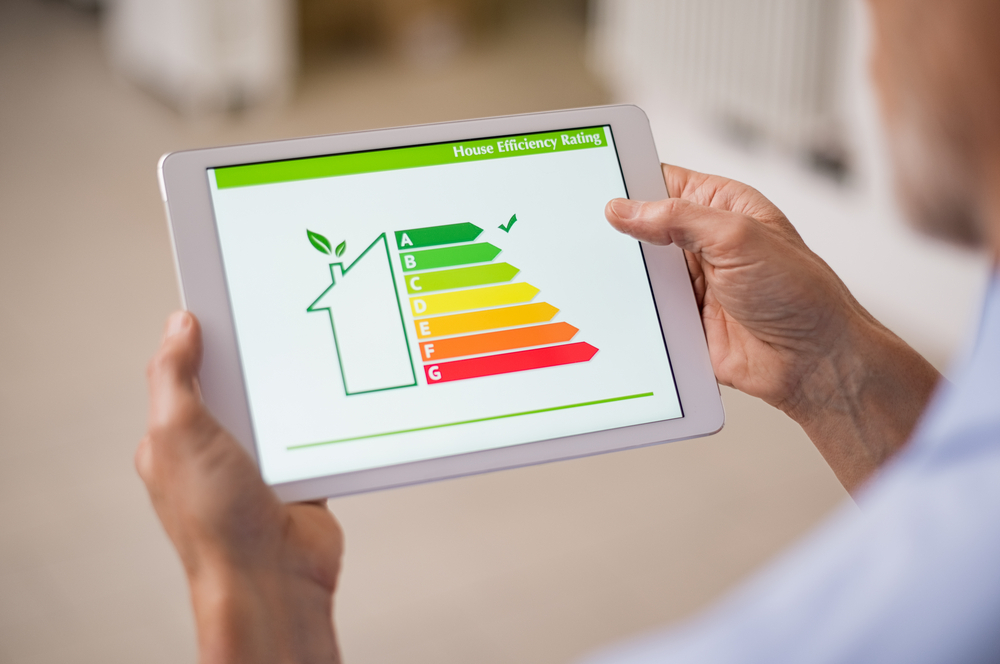
Energy-Efficient Homes:
Make your home more energy-efficient with these tips:
1. Insulation: Ensure proper insulation in walls, roofs, and floors to reduce heat transfer and improve energy efficiency.
2. Smart Thermostats: Install programmable or smart thermostats to optimize heating and cooling settings based on occupancy and preferences.
3. Energy-Efficient Appliances: Upgrade to energy-efficient appliances, including refrigerators, dishwashers, and washing machines, to minimize energy consumption.
4. Efficient Water Heating: Insulate water heaters and consider installing energy-efficient models or alternative water heating systems like heat pumps.
Conclusion:
Energy efficiency is a vital aspect of sustainable living and business practices. By implementing the tips and strategies discussed in this guide, you can significantly reduce your energy consumption, lower your utility bills, and contribute to a greener future.
Remember, every small step toward energy efficiency counts, and by collectively adopting these practices, we can create a significant positive impact on our environment.
Let's make a commitment to embrace energy efficiency and inspire others to join us on this journey toward a more sustainable and energy-conscious world.
Together, we can create a brighter and more energy-efficient future for our homes, businesses, and the planet.
Sources:
Department of Energy, Energy Efficiency & Renewable Energy:
This official website provides valuable information and resources on energy efficiency and renewable energy initiatives.
International Organization for Standardization (ISO):
The ISO sets international standards, including ISO 50001, which is mentioned in the blog. Their website offers insights into energy management systems and related standards.
Environmental Protection Agency (EPA):
The EPA's Energy page provides useful information and tools for energy efficiency, including energy-saving tips and resources for homes and businesses.
Energy Star is a widely recognized program by the U.S. Environmental Protection Agency and the U.S. Department of Energy. Their website provides information on energy-efficient products, energy-saving tips, and resources for both homes and businesses.

